Learning how to find closure when someone never apologises or explains is possible. It is a practice you give yourself, not a conversation you wait for.
Some endings arrive with an explanation. Most do not. A friendship goes quiet, a manager moves on without a word about why your project was dropped, a relative says something hurtful at a wedding and never mentions it again. You are left holding a conversation that the other person has already walked away from.
If you have been wondering how to find closure in a situation like this, here is the honest answer we share in our sessions: closure is rarely something another person hands you. It is something you build, slowly, on your own side of the story. It is less a conversation and more a practice.
In this post we look at why waiting for an apology keeps us stuck, what closure actually involves, and a simple exercise you can begin with today.
Why we keep waiting for the other person
The mind dislikes unfinished stories. When something ends without a reason, we replay it on the drive home, in the shower, at 2 am while scrolling the phone. We draft messages we never send. We imagine the moment the other person finally understands and apologises.
This waiting feels like hope, but it often works like a lock. As long as our peace depends on someone else's words, they hold the key. And people who did not explain the first time are usually not planning to explain later.
Moving on without closure from the other person does not mean pretending it did not matter. It means taking the key back.
What closure actually means
Closure is not forgetting, and it is not forgiveness on demand. It is the point at which a painful chapter stops running your present moment. You can still remember it. You may still feel a twinge when a name pops up in the family WhatsApp group. But the memory no longer decides your mood, your sleep or your choices.
Seen this way, closure has three quiet ingredients:
- Understanding what happened, as best you can, without needing the full story from the other side.
- Feeling what it left behind: the hurt, anger, embarrassment or grief, instead of skipping straight to "I am fine".
- Choosing what you carry forward: a lesson, a boundary, a softer heart, and also what you are ready to set down.
None of these needs the other person's participation. That is the good news.
How to find closure as a daily practice
The Japanese idea of Zanshin, the "remaining mind", describes a relaxed alertness that continues after an action ends. An archer does not stop paying attention the moment the arrow leaves the bow. In the same way, when a relationship or a chapter ends, something remains: thoughts, feelings, habits of reaction. Zanshin asks us to stay present with what remains, rather than fighting it or running from it.
We have written more about this in the art of Zanshin and staying present. Applied to closure, it looks something like this.
Notice the replay
When the old conversation starts playing again, simply label it: "replaying". You do not need to stop it by force. Naming the loop creates a little space between you and the story, and in that space you have a choice.
Return to the body
Unfinished endings live in the body as much as the mind: a tight jaw, a heavy chest, a restless stomach. Place a hand where you feel it and take three slow breaths.
Write the ending yourself
If the other person will never write the final chapter, you can. Not a revenge version, and not a fairy tale, just an honest account of what happened, what it meant to you and what you have learnt.
Repeat, without judging the repetition
Closure is rarely a single moment of release. It is more like Diwali cleaning: you clear one shelf, and a week later you find another drawer. Coming back to the same hurt does not mean you have failed. It means you are still tidying.
Try this: the unsent letter in three parts
Set aside 15 to 20 minutes somewhere you will not be interrupted.
- What happened. Write the facts as plainly as possible, as if describing them to a kind stranger.
- What I needed. Write what you wished they had said or done: an explanation, an apology, some acknowledgement, a proper goodbye. Let yourself want it fully on paper.
- What I give myself now. Write the closure you are choosing to offer yourself. For example: "I accept that I may never know why. I choose to stop waiting for that answer. I keep the lesson about trusting my instincts, and I let go of the need to be proven right."
Do not send the letter. Read it aloud once, close the notebook and take five slow breaths.
If the ending you are carrying involves loss, abuse or feelings that are overwhelming your daily life, please consider speaking with a counsellor or mental health professional. Practices like this one work best alongside proper support, not instead of it.
When the other person comes back
Sometimes, months later, the person does reach out. Because you have already done your inner work, you get to respond from a steady place rather than a desperate one. You can listen, accept an apology, set a boundary or simply wish them well. Their words become a bonus, not a rescue.
This is close to what we mean by Heiwa: peace that is found inside difficulty, not by escaping it. Closure, in this sense, is a form of acceptance, which is very different from resignation, as we explore in acceptance vs giving up.
Frequently asked questions
How do you get closure without talking to the person?
You create it on your own side through reflection, writing and body awareness. Name what happened, allow the feelings it left behind, and decide consciously what you will carry forward. Closure comes from your relationship with the event, not from a final conversation, which is why it remains available even when contact is impossible or unwise.
How long does it take to find closure?
There is no fixed timeline. What helps is regular, gentle practice rather than waiting for a single breakthrough. If the pain stays intense for months, that is a good moment to seek professional support.
Is it possible to move on without closure?
Yes, if by closure you mean an explanation or apology from the other person. Many people move on without ever receiving one. What you do need is inner closure: an honest understanding of what happened and a choice to stop waiting for someone else to finish the story.
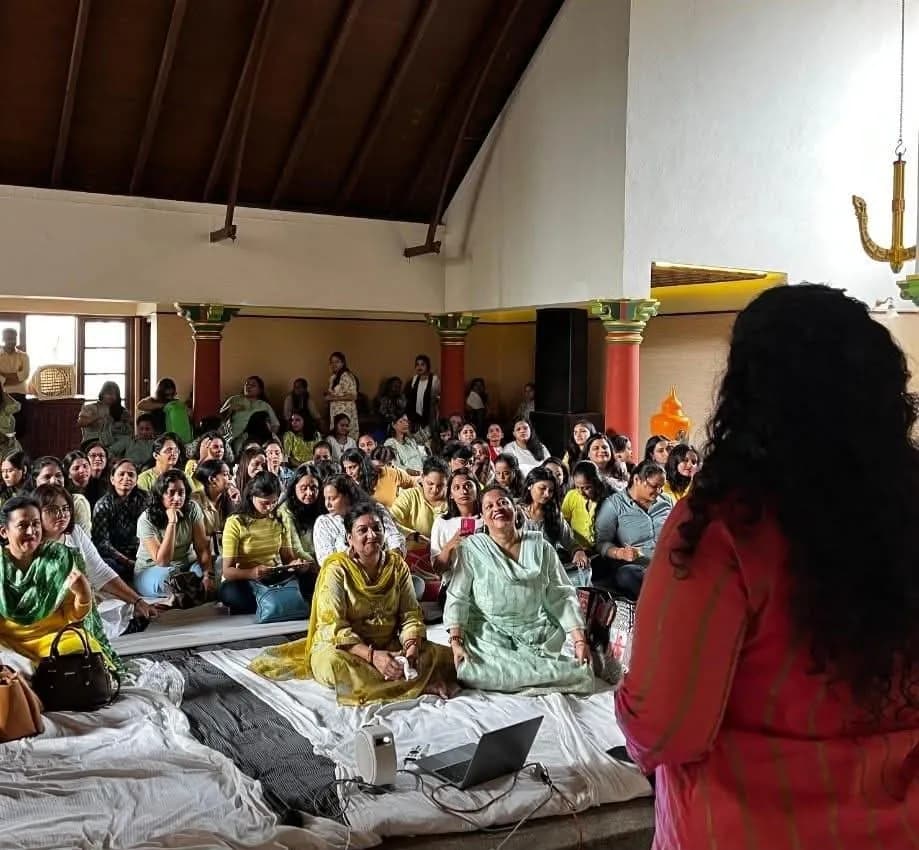
Closure is a skill, and like any skill it grows with practice. Our Mindfulness Fundamentals workshop is not a lecture but a practice, and every participant leaves with a personal practice plan for moments just like these. If you would like a session designed for your team or community, get in touch with us.