Zanshin is the Japanese concept of 'remaining mind', a state of relaxed alertness that follows any action. Here's how to cultivate it in daily life.
Zanshin (残心) literally translates to "remaining mind." In martial arts, it describes the state of awareness a practitioner maintains even after a technique is complete, a calm, ready presence that neither clings to the past nor rushes toward the future.
But zanshin is not only for the dojo. It is a philosophy for living.
What Zanshin Looks Like in Everyday Life
Think of a conversation you've had recently. Did you fully arrive at it? Or were you already planning your response before the other person finished speaking?
Zanshin in conversation means staying present even after you've made your point, listening with the same quality of attention you brought to speaking.
It shows up in:
- Work: finishing a task fully before declaring it done
- Relationships: being present with someone even after a difficult exchange
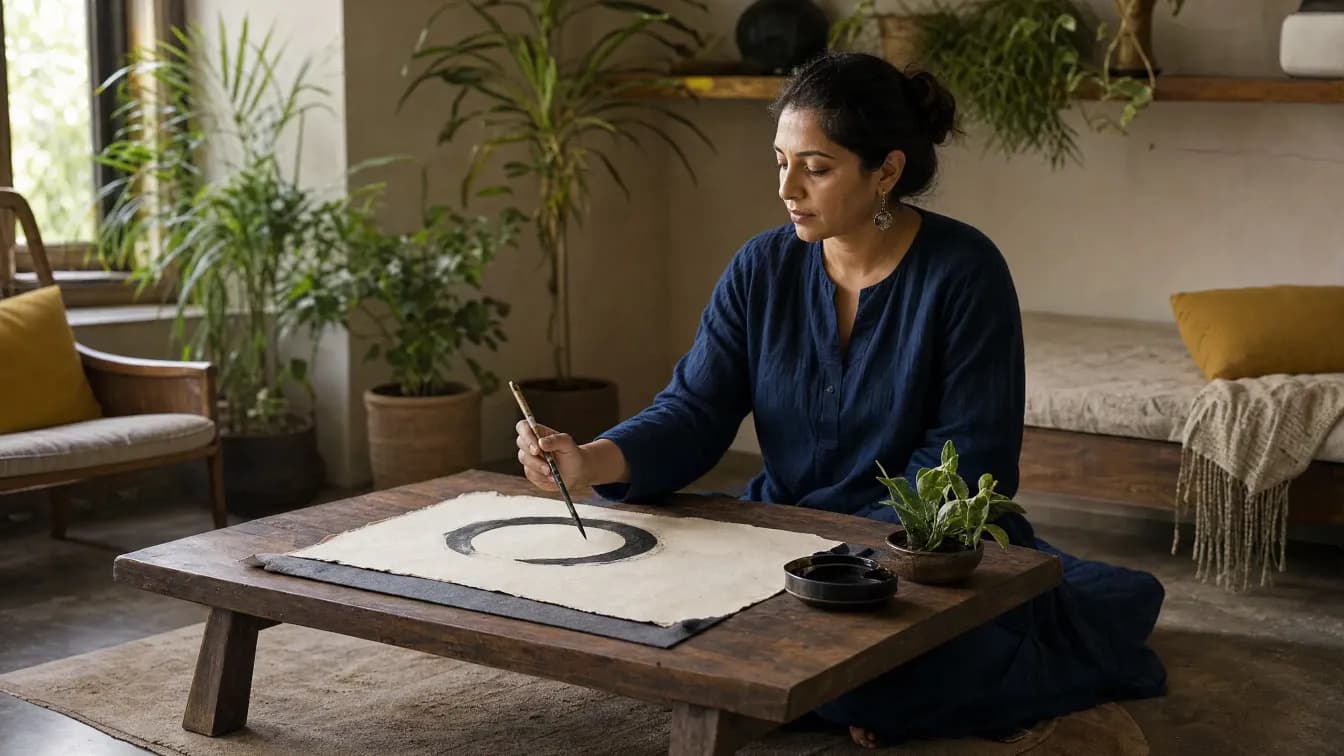
- Creative practice: sitting with a finished piece before moving on
Three Simple Practices
1. The pause after completion
Before moving to the next task, take one conscious breath. Let the previous action settle.
2. Follow-through awareness
Notice the moment your attention leaves what you're doing. Gently return.
3. End rituals
Create a small ritual that marks the end of focused work, closing a notebook, washing hands, stepping outside. This trains the mind to honor completion.
Zanshin is not about slowing down. It is about the quality of attention you bring to each transition.
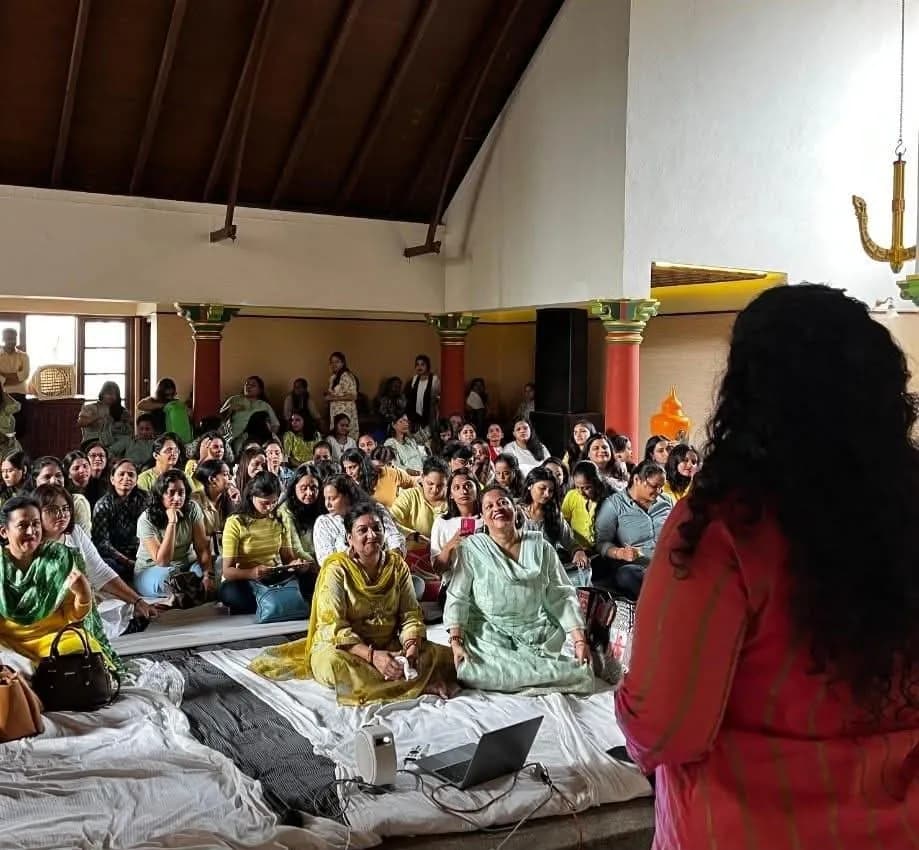
At Zanshin Heiwa, we explore these principles through structured workshops on mindfulness, communication, and emotional intelligence. Join us to deepen your practice.