Acceptance vs giving up: one closes the door, the other is where real change begins. Learn the difference, radical acceptance in plain words, and a practice.
"Just accept it." Few phrases are more frustrating to hear when life is hard. To many of us, acceptance sounds like surrender: lowering our standards, swallowing our feelings, letting things stay broken. No wonder we resist it.
But the difference between acceptance vs giving up is one of the most useful distinctions you can learn. Giving up says, "This is how it is, so nothing I do matters." Acceptance says, "This is how it is right now, so let me see it clearly and decide what to do." One closes the door. The other is where change actually begins.
In this post we unpack what acceptance really means, how it connects to some very old wisdom, and how you can practise it in ordinary moments.
Acceptance vs giving up: the core difference
Giving up is a conclusion. Acceptance is a starting point.
When we give up, we stop looking. We decide the situation is hopeless and withdraw our energy from it, often with a quiet bitterness. When we accept, we stop arguing with reality and start looking at it more carefully. Our energy is no longer spent on "this should not be happening", so it becomes available for "what can I do now?"
How they feel different
- Giving up often feels heavy, numb or resentful. There is a sense of defeat.
- Acceptance often feels like a long breath out. Sometimes sad, but lighter and clearer.
- Giving up shrinks your options. Acceptance reveals them, because you are finally seeing the situation as it is.
Radical acceptance in plain words
Psychologists sometimes use the term radical acceptance, a skill most closely associated with Dialectical Behaviour Therapy. "Radical" here simply means complete: accepting with your whole mind and body, not just saying the words while clenching your fists inside.
In plain words, radical acceptance means three things:
- This is happening, or has already happened.
- I do not have to like it or approve of it.
- Fighting the fact that it happened adds a second layer of pain to the first.
Think of a traffic jam on the way to an important meeting in Ahmedabad. The jam is the first layer. The honking, the muttering, the replaying of what your manager will say: that is the second layer, and it is optional. Acceptance does not clear the road. It clears your head, so you can call ahead, reschedule calmly or use the time well.
The well-known Serenity Prayer points to the same idea: accepting what we cannot change, finding the courage to change what we can, and growing the wisdom to know the difference. Acceptance is not the opposite of courage. It is what makes wise courage possible.
Action without attachment: what the Gita teaches
The Bhagavad Gita offers a teaching that many Indian families grew up hearing: we have a right to our actions, but not to the fruits of those actions. Krishna encourages Arjuna to act fully and sincerely, while letting go of anxious attachment to how things turn out.
This is acceptance in action. It does not ask us to stop trying. It asks us to try wholeheartedly and then release our grip on the result. A student prepares thoroughly for board exams and accepts that the paper itself is outside their control. A parent supports a grown child's career choice and accepts that the child's life is their own. A team leader pitches an idea with care and accepts that the client may say no.
In each case there is full effort and no giving up. What is released is the demand that life deliver one particular outcome.
Why acceptance is the starting point of change
It sounds like a paradox, but you cannot change something you refuse to see. A business that will not accept falling sales cannot fix them. A person who will not accept that they are exhausted cannot rest. A family that will not accept a member's struggle cannot help them.
Acceptance gives us accurate information. Once we stop protecting ourselves from the facts, we can respond to them. This is why acceptance sits at the heart of mindfulness: noticing what is here, without immediately judging it or pushing it away. It also pairs naturally with letting go of old hurts, which we explore in how to find closure.
The Japanese word Heiwa, peace, points to the same truth. Real peace is found inside difficulty, not by escaping it. We have written about this in Heiwa: finding peace without running.
Try this: the two-column acceptance check
Next time you feel stuck in frustration about something, take a page and draw a line down the middle. Give yourself 10 minutes.
- Left column, "What is true right now". List only facts. "The promotion went to someone else." "My mother's health is not improving." "The project deadline has moved forward."
- Right column, "What I am adding". List the stories, predictions and judgements layered on top. "I will never grow here." "I should have done more." "Everyone thinks I am incompetent."
- Breathe with the left column. Read it slowly and take three breaths, saying silently, "This is how it is right now."
- Choose one action. Ask yourself: given these facts, what is one small, sensible step I can take this week? Write it at the bottom of the page.
Most people find the right column is longer than the left. That is the second layer of pain, and simply noticing it is already a form of acceptance.
If the situation you are trying to accept involves ongoing harm, grief or distress that feels unmanageable, please reach out to a qualified counsellor or mental health professional. Acceptance never means tolerating what is unsafe.
Frequently asked questions
What is the difference between acceptance and resignation?
Resignation is giving up with a closed heart: you stop caring and stop acting. Acceptance is seeing the situation clearly while staying engaged. You may still work hard to improve things, but you no longer waste energy fighting the fact that the situation exists.
How do you practise radical acceptance?
Start small. When something minor annoys you, like a delayed train or a spilled cup of chai, notice the urge to resist and silently say, "This is how it is." Breathe, soften your shoulders and then decide what to do. Practising with small frustrations builds the capacity for larger ones.
Does accepting something mean I approve of it?
No. Acceptance acknowledges reality; it does not endorse it. You can accept that a colleague behaved unfairly and still raise the issue, set a boundary or seek support. In fact, acceptance usually makes those actions calmer and more effective.
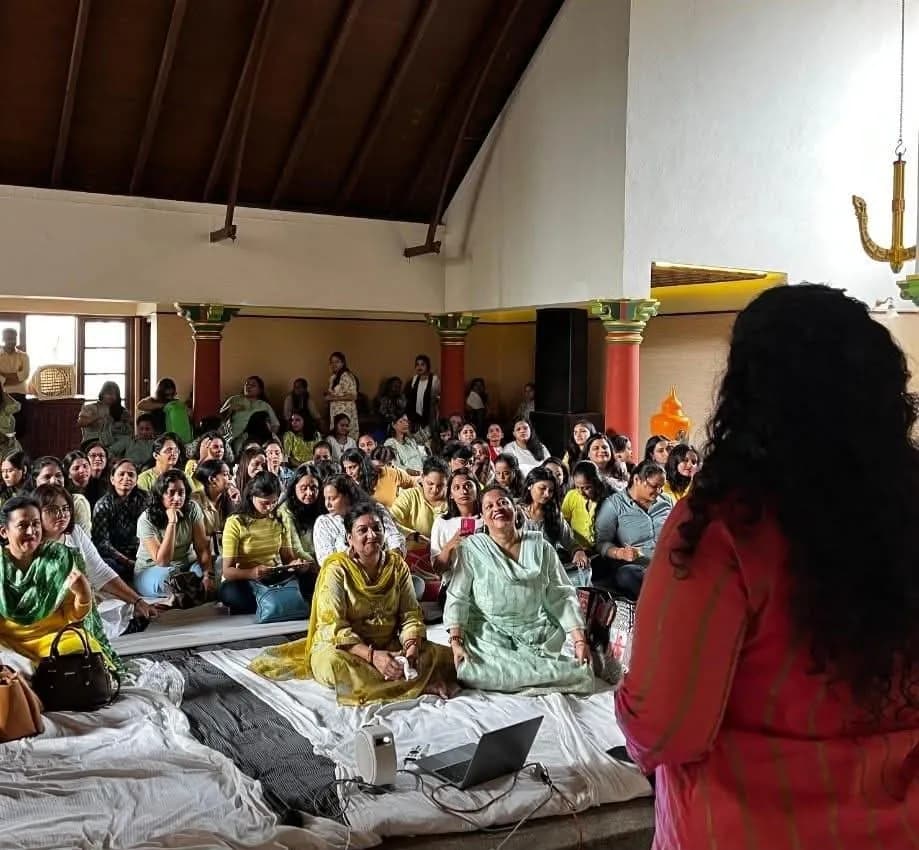
Acceptance is a skill that grows with practice, not a personality trait you either have or lack. In our Mindfulness Fundamentals workshop we practise it together through breath, reflection and real situations, and everyone leaves with a personal practice plan. For a version tailored to your organisation, school or community, explore our custom workshops.